On the ruins of the palace
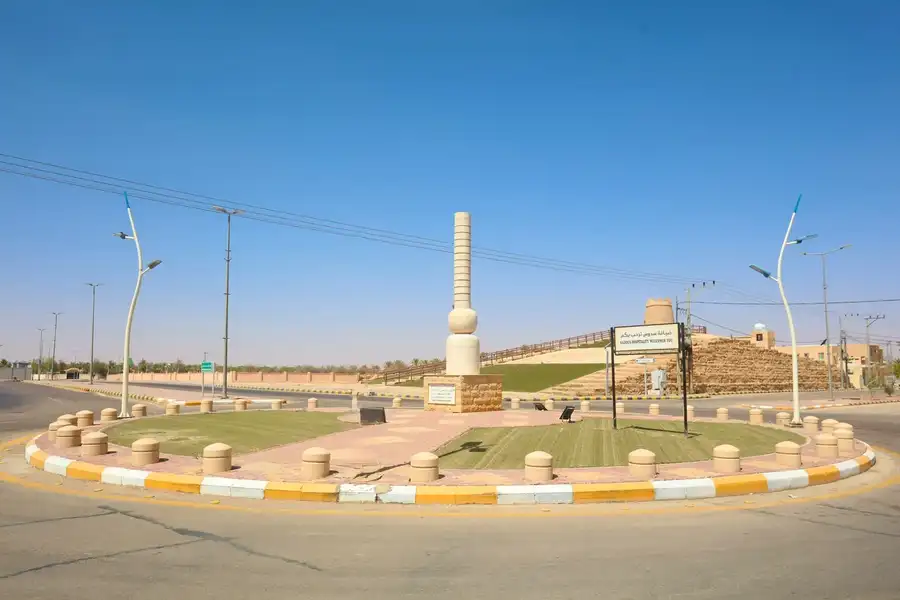
The ancient palace attributed to Solomon, son of David, stood in what is now Al-Manara. When Sheikh Abdullah Al-Anqari went looking for its site, all he found was a mound north of the village, running east to west for hundreds of metres, with the village graves at its western end.
An imam and a teacher
The first to build here was Muhammad bin Mahfouz, imam of the mosque and teacher of the village children, in 1350 AH.
A quarter that began with the house of a man who led prayers and taught the young, and grew up open, with no wall around it.
Stone from somewhere else
North-west of Sadus, near the site of the old Manara, lie fragments and chips of granite, a stone with no nearby source in the region.
Stone brought from far away, and no one yet knows who carried it here, or why.
What lies ahead
The third phase of the development project covers Al-Manara and the old palace, together with Al-Ras and the Marqab of Sadus.
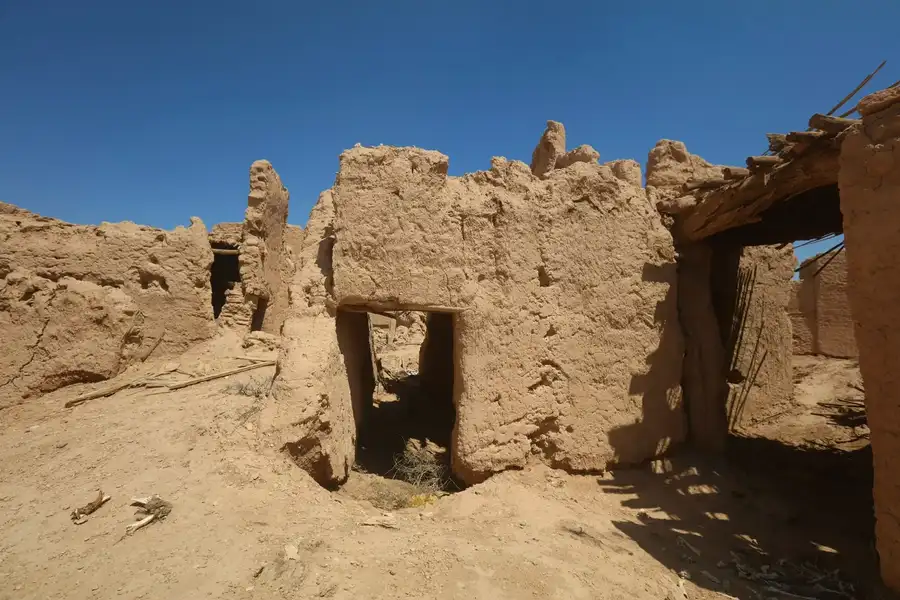
Until then, weathered walls and fallen roofs stand witness to a quarter built of mud.